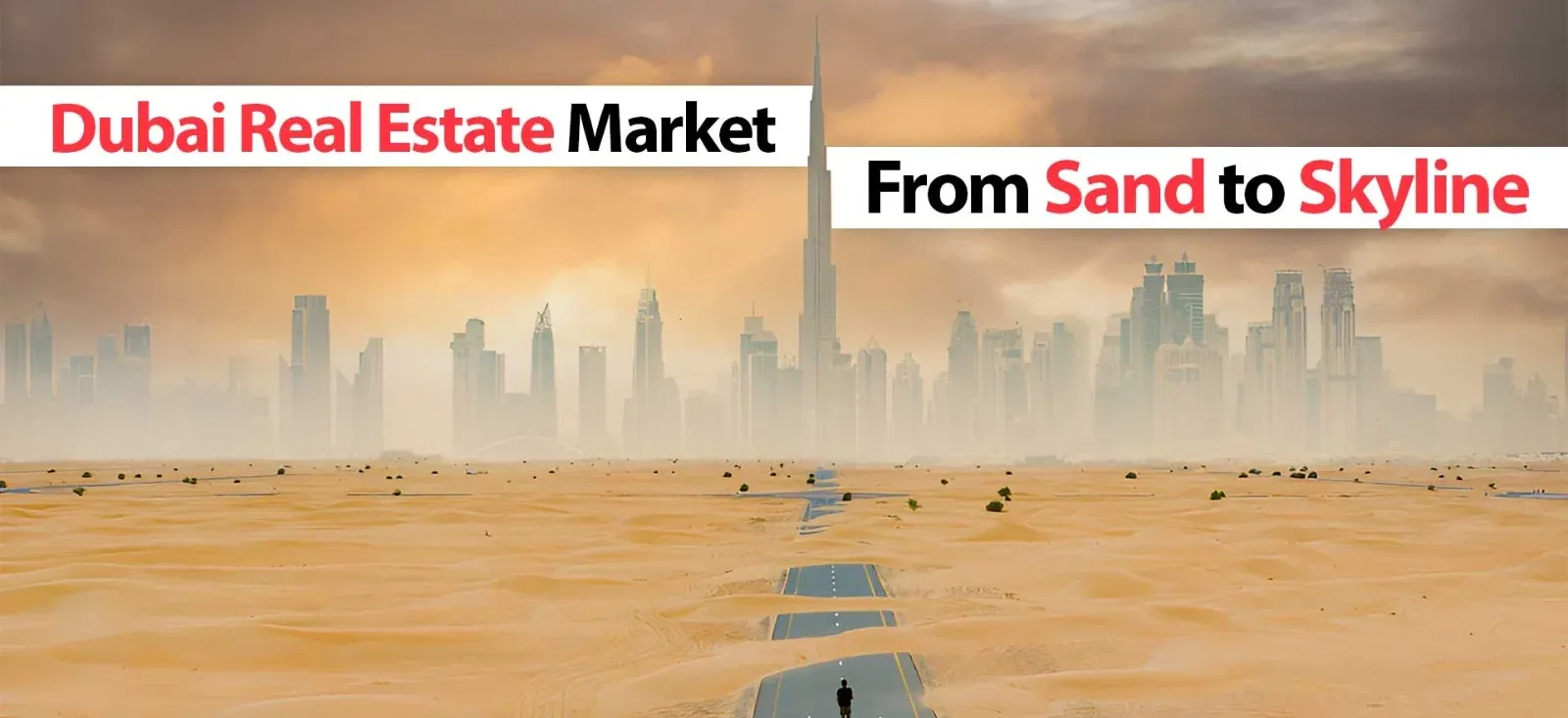
Dubai has transformed into one of the world's most sought-after real estate destinations. Whether you're an international investor chasing strong yields, an expat looking for a first home, or a professional exploring beginner real estate investment in Dubai, the city offers unmatched opportunity — paired with a clear legal framework that welcomes foreign buyers.
The Ultimate Beginner's Guide to Dubai Real Estate walks you through everything: the legal landscape, top investment zones, true cost of ownership, step-by-step buying process, and the questions every new buyer asks. By the end, you'll have the knowledge to make a confident, informed decision in one of the fastest-moving property markets on earth.
Why Dubai Real Estate Stands Out Globally
Few markets combine political stability, zero income tax, high rental yields, world-class infrastructure, and strong population growth the way Dubai does. The emirate recorded its highest-ever real estate transaction volumes in 2023 and surpassed them again in 2024. For anyone exploring real estate investment in Dubai, the macro story is compelling.
Tax-free rental income — no capital gains tax, no property tax, no income tax on rent
Golden Visa eligibility — property purchases of AED 2M+ can qualify investors for a 10-year residency visa
Strong population growth — Dubai's population is projected to reach 5.8 million by 2040 from ~3.7 million today
Developer payment plans — 60/40 or 70/30 post-handover plans lower the entry barrier significantly
Transparent legal framework — Dubai Land Department (DLD) registers every transaction publicly
High rental demand — short-term Airbnb and long-term leasing both generate strong returns
Top Areas for Dubai Property Investment: Key Data Snapshot
Location drives both capital appreciation and rental yield. Below is a comparative snapshot of the most in-demand communities for dubai property investment in 2025.
| Area | Property Type | Avg. Price/sqft (AED) | Gross Yield | Best For |
|---|---|---|---|---|
Business Bay HOT | Apartments, Offices | 1,800 – 2,400 | 6.5 – 8% | Young professionals, short-term lets |
Downtown Dubai | Luxury Apartments | 2,500 – 4,500 | 5 – 6.5% | Capital appreciation, prestige |
Jumeirah Lake Towers (JLT) | Apartments | 1,100 – 1,600 | 7 – 9% | High-yield investors, budget buyers |
| Dubai Marina | Apartments, Penthouses | 1,700 – 2,800 | 6 – 7.5% | Expats, holiday lets |
| Palm Jumeirah | Villas, Apartments | 3,000 – 7,000+ | 4.5 – 6% | Ultra-luxury, long-term hold |
| Dubai Hills Estate | Villas, Townhouses | 1,400 – 2,200 | 5.5 – 7% | Families, end-users |
Business Bay Real Estate: The Investor's Sweet Spot
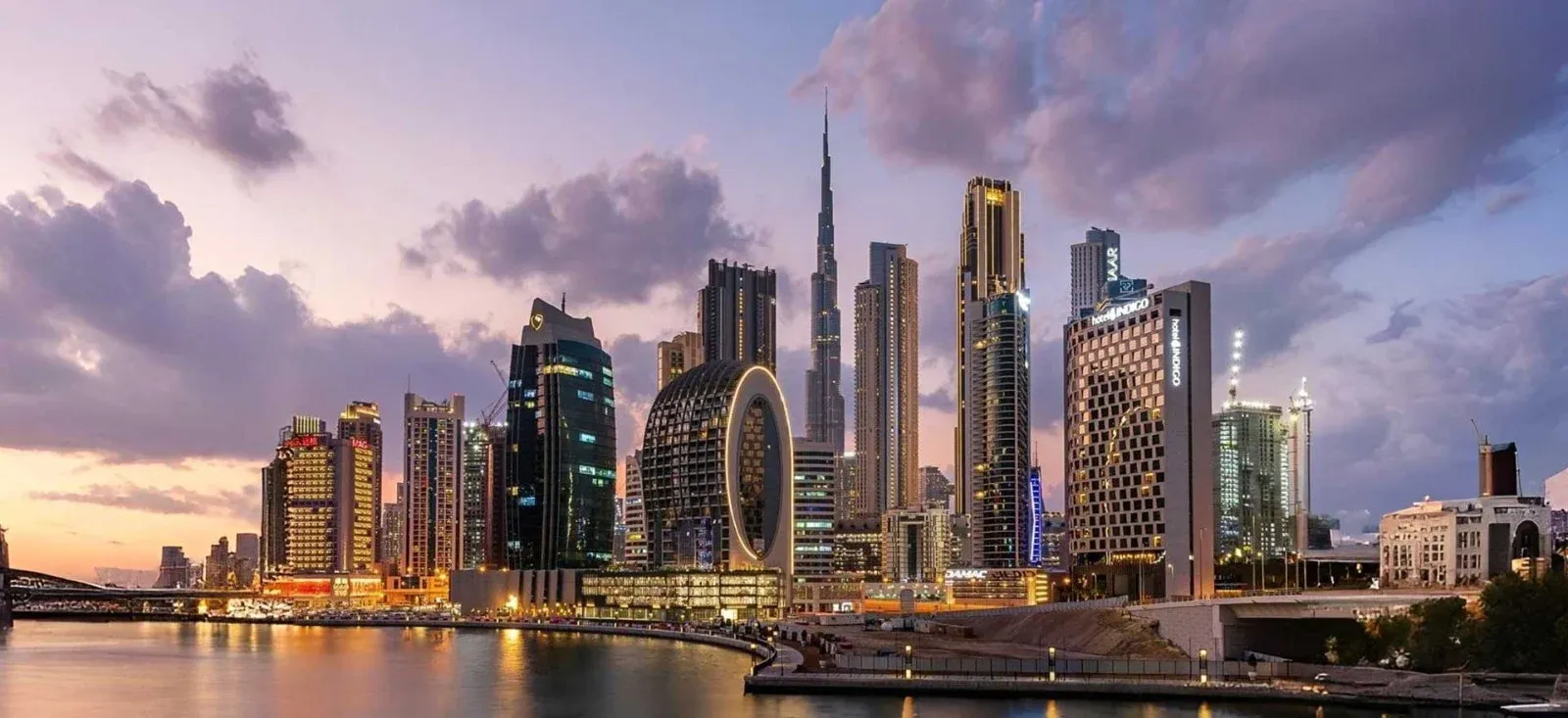
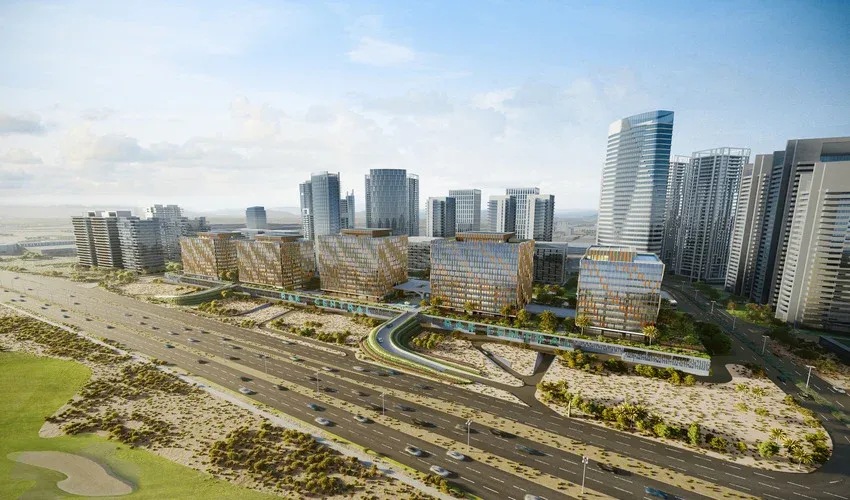
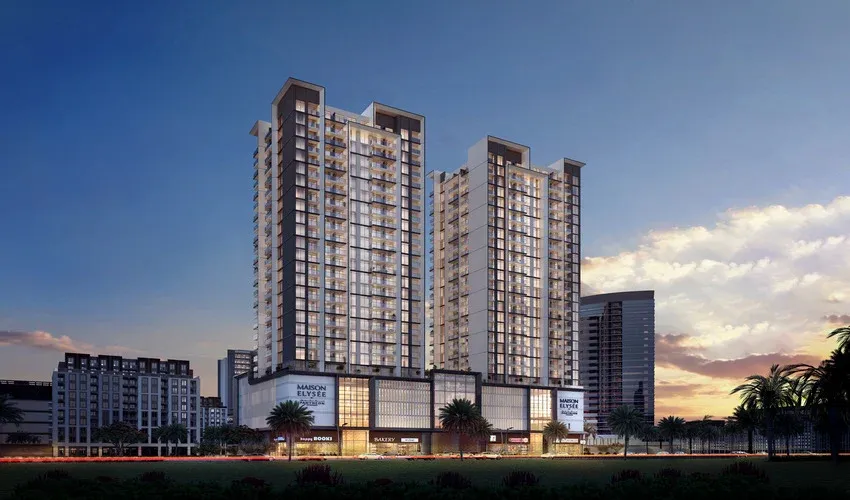
Business bay real estate has emerged as one of Dubai's most dynamic sub-markets. Straddling the Dubai Canal and directly adjacent to Downtown, Business Bay attracts a constant stream of corporate tenants, young professionals, and short-term holiday-let demand. Studio and 1-bedroom apartments regularly achieve gross yields of 7–8%, making business bay real estate particularly appealing for buy-to-let investors.
Average entry price for a studio sits around AED 750,000–1,000,000 — accessible for first-time buyers — while larger units and branded residences can exceed AED 5M.
Jumeirah Lake Towers Property: Best Yields Per Dirham
If yield-on-cost is your primary metric, Jumeirah lake towers property consistently ranks among Dubai's top performers. JLT is a free zone (DMCC Free Zone), which means businesses can be registered there — a draw for entrepreneur-residents. The cluster of 80+ residential and commercial towers around four man-made lakes creates a self-contained, community-driven neighborhood.
A 1-bedroom apartment in JLT can be purchased for AED 750,000–1,100,000, renting at AED 70,000–90,000 annually. That translates to gross yields frequently touching 8–9% — among the highest in Dubai for an established community. Jumeirah lake towers property also benefits from direct Metro access via the DMCC station, which underpins sustained rental demand.
Downtown Dubai Property: Prestige + Long-Term Capital Growth
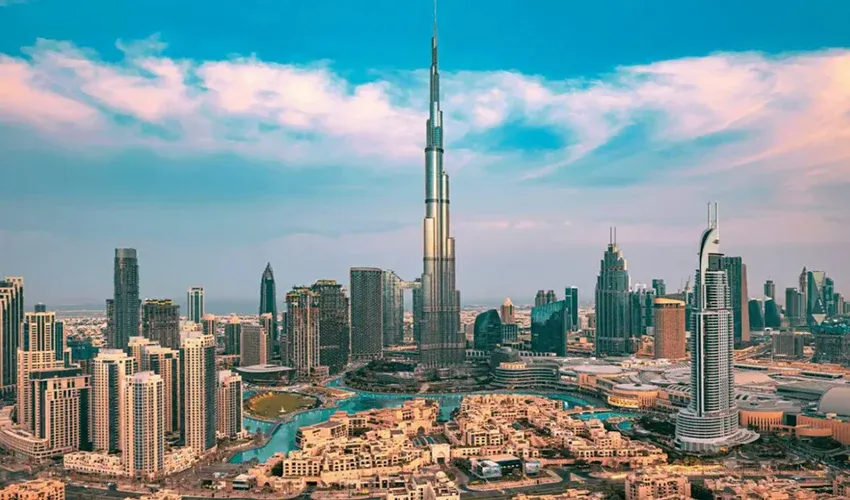
Downtown Dubai property commands a premium, but for good reason. Home to the Burj Khalifa, Dubai Mall, and the Dubai Fountain, Downtown is the emirate's most globally recognized address. Investors in downtown dubai property are typically pursuing capital appreciation rather than pure yield — and the track record supports the strategy. Prime Downtown apartments have appreciated 40–60% in AED terms since 2020.
Entry-level 1-bedrooms start around AED 1.5–2M, while penthouses and full-floor units regularly trade above AED 20M. For buy-and-hold international investors with a 5–10year horizon, downtown dubai property offers unrivalled brand recognition and liquidity in the secondary market.
How to Buy Property in Dubai: A Step-by-Step Process
No edition of The Ultimate Beginner's Guide to Dubai Real Estate would be complete without a clear process map. Here's exactly how a transaction unfolds — whether you're buying off-plan or in the secondary market.
Define your budget & goals — determine whether you're targeting rental income, capital growth, or personal use. Set a maximum budget inclusive of transaction costs (typically 7–8% on top of purchase price).
Choose a RERA-registered broker — only work with brokers holding a valid RERA card. Verify credentials on the Dubai REST app. A qualified agent provides market intelligence, negotiation support, and legal guidance.
Shortlist properties & conduct due diligence — visit multiple units, check title deed status on DLD's portal, and confirm the property is free of outstanding service charges or mortgages.
Sign a Memorandum of Understanding (MOU) — a Form F agreement outlines agreed price, payment schedule, and conditions. Buyer typically pays a 10% deposit into escrow.
Apply for a No Objection Certificate (NOC) — the developer issues an NOC confirming the seller has settled all fees and the transfer can proceed.
Transfer ownership at the Dubai Land Department (DLD) — both parties (or their representatives with POA) attend. The buyer pays the 4% DLD transfer fee and receives a new Title Deed in their name.
Register with DEWA & building management — activate utilities and set up service charge accounts. If letting the property, list with a RERA-registered property management firm.
Financing Options: Mortgages for Expats & International Buyers
Cash purchases dominate Dubai's luxury segment, but mortgages are widely available to residents and non-residents alike. Key parameters for buying property in dubai for beginners:
UAE residents — can borrow up to 80% LTV (Loan-to-Value) on properties up to AED 5M for first purchase; 75% above AED 5M
Non-residents / international buyers — typically limited to 50–65% LTV; interest rates from ~4.5–6% depending on lender and profile
Off-plan purchases — generally cash or developer payment plans only; mortgages activate at or near handover
Leading lenders — Emirates NBD, Abu Dhabi Commercial Bank (ADCB), Mashreq, HSBC UAE, and First Abu Dhabi Bank all offer competitive expat mortgage products
Mortgage pre-approval — strongly recommended before starting your property search; it clarifies budget and strengthens offer credibility
Dubai Apartments for Sale: What Beginners Should Know in 2025
The dubai apartments for sale market in 2025 is bifurcated: a surging ultra-luxury segment (AED 3,000+/sqft) and a resilient mid-market (AED 1,000–1,800/sqft) driven by end-users and yield-focused investors. For beginners exploring dubai apartments for sale, the mid-market sweet spot — 1-bed and 2-bed units in Business Bay, JLT, Dubai Marina, or JVC — delivers the best combination of entry price, rental yield, and liquidity.
Off-plan launches from Emaar, Nakheel, Damac, and Ellington continue to attract strong demand. Typical payment structures are 10% on booking, 10–20% during construction, and 70% on completion — making them accessible to buyers who don't want to commit the full capital upfront.
Frequently Asked Questions: The Ultimate Beginner's Guide to Dubai Real Estate
1. Can foreigners buy property in Dubai?
Yes. Foreign nationals can purchase freehold property in designated zones across Dubai without any requirement for UAE residency. This includes popular areas like Business Bay, Downtown Dubai, Dubai Marina, Palm Jumeirah, and Jumeirah Lake Towers. You own the property 100% and receive a title deed from the Dubai Land Department.
2. What is the minimum investment to buy property in Dubai?
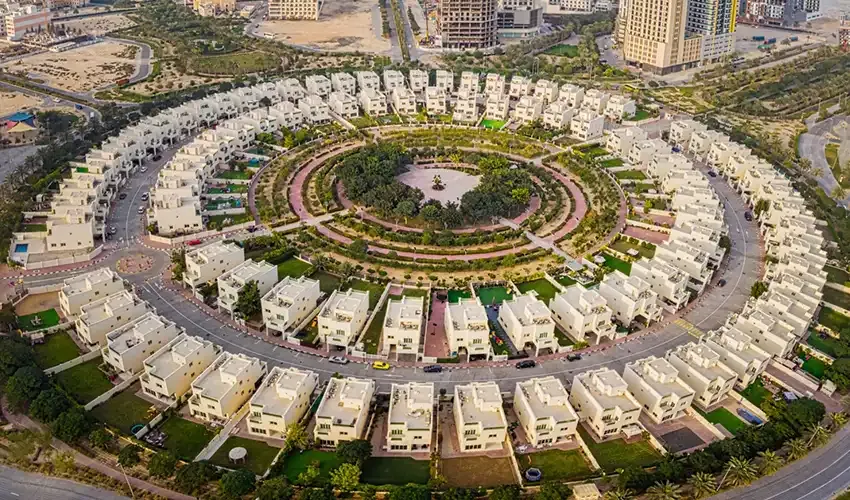
There is no legal minimum, but entry-level studio apartments in areas like JLT or Jumeirah Village Circle (JVC) start around AED 400,000–600,000 (approx. USD 110,000–163,000). For the AED 2M Golden Visa real estate threshold, mid-range 1-2 bedroom apartments in Business Bay or Dubai Marina are the most common qualifying purchases.
3. Is real estate investment in Dubai safe?
Absolutely — and this guide is built around that reassurance. Dubai ranks highly for investor protection. The Dubai Land Department registers all transactions, RERA regulates developers and brokers, and escrow laws (since 2007) require developers to hold off-plan buyer deposits in regulated accounts. While no investment is risk-free, the regulatory environment is among the most transparent in the MENA region.
4. What are the ongoing costs of owning property in Dubai?
Beyond mortgage payments (if applicable), owners pay annual service charges (AED 10–25/sqft depending on the community), building insurance, and DEWA (utility) bills. There is no annual property tax or capital gains tax in the UAE — a significant advantage over most Western markets.
5. How long does it take to complete a property purchase in Dubai?
A secondary market (ready property) transaction typically completes in 30–45 days from MOU signing to title deed transfer. Off-plan purchases have longer timelines tied to construction completion — typically 2–4 years from booking. The DLD registration process itself takes 1–3 business days once all fees are paid and documents are in order.
6. Which area gives the highest rental yield in Dubai?
As of 2025, Jumeirah Lake Towers (JLT), Jumeirah Village Circle (JVC), and International City consistently deliver the highest gross rental yields — often 8–10% for well-selected units. Business Bay follows closely at 6.5–8%, with the added advantage of strong short-term rental demand from business travellers.
7. Do I need to be in Dubai to buy property?
Not necessarily. International buyers can complete much of the process remotely — including virtual viewings, MOU signing via email, and mortgage applications online. However, the DLD title deed transfer traditionally requires physical attendance or a notarised Power of Attorney (POA) granted to a local representative to sign on your behalf.
Final Thoughts: Is Dubai Real Estate Right for You?
The fundamentals supporting dubai real estate remain strong: tax-free income, a growing population, world-class infrastructure, and a government actively incentivising long-term investment. Whether you're drawn to the high yields of jumeirah lake towers property, the prestige of downtown dubai property, or the accessible entry points of business bay real estate, this market rewards investors who understand how it works.
The Ultimate Beginner's Guide to Dubai Real Estate is your starting framework — go deeper with a RERA-certified broker who specialises in your target community. The data, the legal infrastructure, and the market momentum are all pointing in the same direction. The question is whether you're ready to take the first step.